

JayaBio News
Jaya Biosciences Receives U.S. Patent for Novel Methods of Treating Neurological Diseases, Including Alzheimer’s Disease, Expanding its Global Intellectual Property Portfolio
U.S. patent grant broadens protection and strengthens Jaya Biosciences’ leadership in developing CNS- directed therapies for genetically defined neurodegenerative diseases
November 5, 2025
- U.S. patent grant broadens protection and strengthens Jaya Biosciences’ leadership in developing CNS- directed therapies for genetically defined neurodegenerative diseases -
South San Francisco, CA, November 5 2025 – Jaya Biosciences, Inc. (“JayaBio” or “the Company”), a privately held early-stage life-sciences company developing CNS-directed gene therapies for unmet needs in the neurodegenerative diseases, announced today that it has received from the United States Patent and Trademark Office (USPTO) U.S. Patent No. 12,460,262, entitled “METHODS OF DETECTING, PREVENTING, REVERSING, AND TREATING NEUROLOGICAL DISEASES.” This patent issuance marks a significant expansion of JayaBio’s global intellectual property estate following prior patent issuances in Japan, China, and Singapore, and strengthens protection for its pioneering approach to lysosomal enzyme gene–based interventions in Alzheimer’s disease and other neurodegenerative conditions. The patent covers proprietary methods for detecting, preventing, reversing, and treating neurological diseases linked to heterozygous mutations in lysosomal enzyme genes—genetic variants shown to increase susceptibility to adult-onset neurodegeneration, including Alzheimer’s disease.
“This granted U.S. patent represents an important milestone for JayaBio,” said Pawel Krysiak, President and Chief Executive Officer of Jaya Biosciences. “It underscores our commitment to addressing the genetic and molecular underpinnings of Alzheimer’s disease and further validates the novelty and therapeutic potential of our precision medicine gene therapy platform. The addition of U.S. patent protection reinforces the Company’s strategic position in one of the world’s most important biotechnology markets and enables us to pursue future partnerships and development opportunities.”
“The U.S. market is critical for both the scientific validation and commercialization of innovative Alzheimer’s disease therapies,” added Eric Grinstead, Chief Commercial Officer of Jaya Biosciences. “This patent further secures our foundational intellectual property and strengthens our position as a leader in the emerging field of gene therapy for lysosomal dysfunction–associated neurodegeneration.”
JayaBio’s intellectual property portfolio is licensed from Washington University in St. Louis, Missouri, where investigators discovered that mutations in lysosomal enzyme genes represent key risk factors for adult-onset neurological disease, including Alzheimer’s disease. Human genetic analyses showed that deleterious variants in several lysosomal enzyme genes are significantly enriched in the Alzheimer’s population compared to matched controls.
“These findings expand our understanding of the genetic factors associated with neurodegeneration in adults,” said Prof. Mark Sands, Chair of JayaBio’s Scientific Advisory Board and Professor at Washington University School of Medicine. “Carriers of lysosomal enzyme gene defects were historically considered unaffected throughout life, but our data demonstrate a strong association between carrier status and adult-onset neurological disease. This discovery represents a paradigm shift in how we view genetic risk and intervention strategies for Alzheimer’s and related disorders.”
A Growing Unmet Need
Alzheimer’s disease remains one of the most pressing medical and socioeconomic challenges in the United States. Nearly seven million Americans are currently living with Alzheimer’s, and another seven million are estimated to have mild cognitive impairment (MCI), which in many cases represents prodromal or early Alzheimer’s pathology. The combined public-health and economic burden underscores the urgent need for disease-modifying therapies that address upstream molecular mechanisms rather than symptomatic endpoints.
JayaBio’s lead program, JB111, is an experimental CNS-directed, AAV-mediated gene therapy that targets upstream effector pathways in Alzheimer’s disease associated with PPT1 haploinsufficiency. In preclinical models, a single intracerebroventricular (ICV) injection improved survival, cognition, and amyloid pathology, supporting further IND-enabling development. “Our preclinical data demonstrate that correcting lysosomal enzyme deficits in the CNS through precision gene therapy can potentially redefine Alzheimer’s treatment," said Dr. Neal Goodwin, Chief Scientific Officer of Jaya Biosciences.
About JB111
JB111, Jaya Biosciences’ lead therapy, is an experimental CNS-directed AAV9-mediated PPT1 gene therapy currently being developed for Alzheimer’s disease associated with PPT1 haploinsufficiency (carrier status for mutations in palmitoyl protein thioesterase-1 gene or PPT1 heterozygosity). JB111 showed very promising results in the animal model of PPT1-associated Alzheimer’s disease. A single intracerebroventricular (ICV) injection of JB111 resulted in a significantly increased life span, reduced amyloid pathology, and improved cognitive performance.
About Jaya Biosciences, Inc.
Jaya Biosciences is a privately held preclinical-stage life sciences company developing CNS-directed gene therapies for genetically defined neurodegenerative diseases, including Alzheimer’s, Parkinson’s, and frontotemporal dementia. Its platform is based on the groundbreaking discovery that carriers of loss- of-function mutations in lysosomal enzyme genes have an increased risk of neurodegeneration including early onset of symptoms. JayaBio’s team, proven in drug development and commercialization of lysosomal targets and gene therapies, is dedicated to addressing unmet needs in neurodegeneration and advancing solutions that transform patient lives worldwide. JayaBio’s mission is to fulfill a promise of victory over neurodegeneration by identifying and targeting the key pathways involved in the etiology of these debilitating diseases.
Investor/Media Contact:
Jaya Biosciences Inc.
Jaya Biosciences Joins Taking the Pulse - A Health Care and Life Sciences Podcast
Our CEO Pawel Krysiak and CSO Neal Goodwin, PhD, joined Taking the Pulse - A Health Care and Life Sciences Podcast to discuss JayaBio’s work in a precision medicine platform aiming to stop progression in Alzheimer’s, Parkinson’s, and frontotemporal dementia.
August 12, 2025
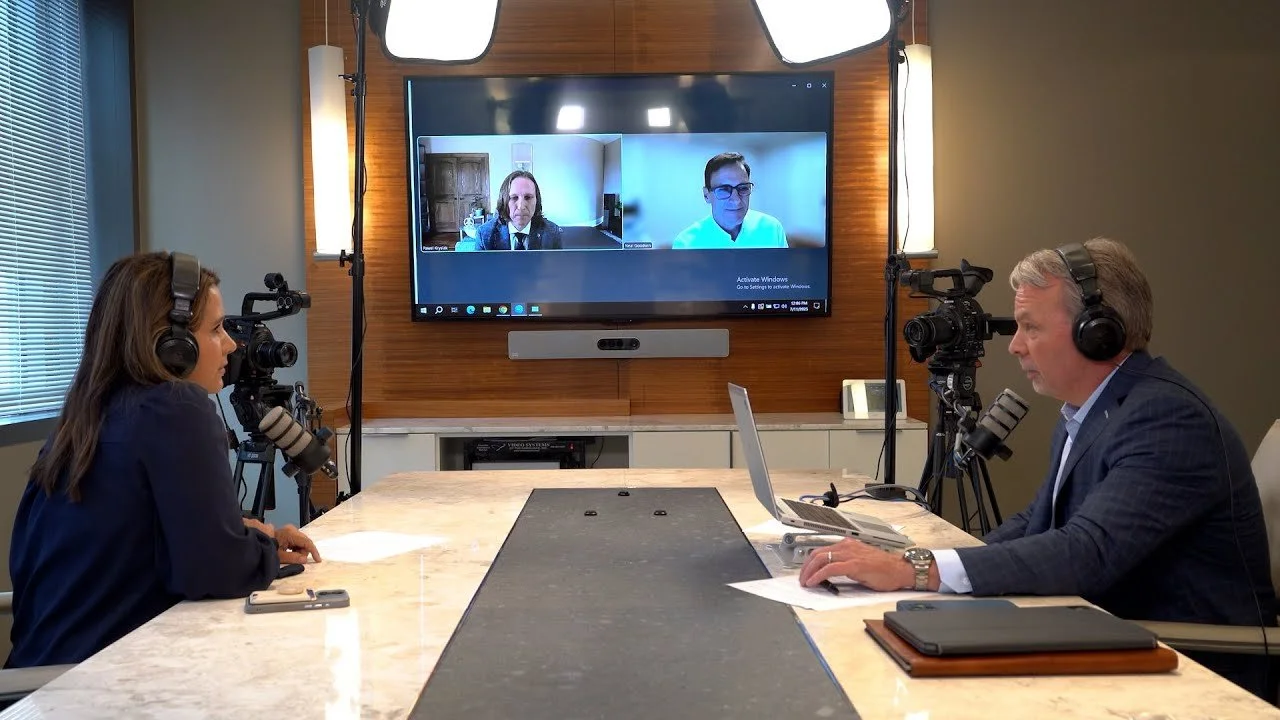
Our CEO Pawel Krysiak and CSO Neal Goodwin, PhD, joined Taking the Pulse - A Health Care and Life Sciences Podcast to discuss JayaBio’s work in a precision medicine platform aiming to stop progression in Alzheimer’s, Parkinson’s, and frontotemporal dementia.
They share how the team is using precision medicine to target specific mutations linked to Alzheimer’s, Parkinson’s, and frontotemporal dementia, aiming to arrest disease progression with a single dose. The conversation explores how gene therapy works, what makes JayaBio’s approach different, and more.
Jaya Biosciences Receives Patent Notices of Allowance in Japan, China, and Singapore for Novel Methods of Treating Neurological Diseases, including Alzheimer’s
Patent allowances in Japan, China and Singapore support Jaya Biosciences’ commitment to addressing unmet needs in neurodegeneration in global markets
July 16, 2025
- Patent allowances in Japan, China and Singapore support Jaya Biosciences’ commitment to addressing unmet needs in neurodegeneration in global markets -
South San Francisco, CA, July 16, 2025 – Jaya Biosciences, Inc. (“JayaBio” or “the Company”), a privately held early-stage life-sciences company developing CNS-directed gene therapies for unmet needs in the neurodegenerative diseases, reported official patent notices of allowance in Singapore, Japan and China on July 6th, July 10th and July 12th, respectively, for the patent application entitled: METHODS OF DETECTING, PREVENTING, REVERSING, AND TREATING NEUROLOGICAL DISEASES. “We are very pleased to have our first patents allowed in China, Japan, and Singapore, which represent major markets and a large unmet need,” said Pawel Krysiak, JayaBio’s President & CEO. “This supports our strong commitment to addressing unmet needs in Alzheimer’s and other neurodegenerative diseases globally and paves the way for potential collaborations with strategic partners in Asian markets.”
JayaBio has licensed its technology from Washington University, St. Louis, MO. Investigators at Washington University School of Medicine have discovered that heterozygous loss-of-function (LoF) mutations in lysosomal enzyme genes represent risk factors for adult-onset neurological disease, including Alzheimer’s Disease (AD). Human genetic analyses show that deleterious coding variants in several lysosomal enzyme genes are significantly enriched in the AD population compared to matched controls. Preliminary analysis of pedigrees from families of known carriers for these mutations suggests that there is a several-fold increase in adult-onset neurologic disease compared to the general population. Animal studies support the human data and show that haploinsufficiency of lysosomal enzymes directly affects amyloid beta (Aβ) metabolism, greatly exacerbates plaque formation, and significantly reduces the life span of the 5xFAD mouse model of Alzheimer’s disease. A single dose of JB111, a CNS-directed, AAV-mediated gene therapy, ameliorates the pathological and clinical phenotype of the 5xFAD mouse harboring a heterozygous LoF mutation in the PPT1 gene. “Historically, carriers of lysosomal enzyme gene defects have been considered normal throughout life, but these data represent an extension of Mendel’s basic laws of autosomal recessive diseases and an important paradigm shift for carriers of lysosomal enzyme defects and adult-onset neurological disease, including Alzheimer’s,” said Prof. Mark Sands, JayaBio’s Science Advisory Board Chair.
Japan has one of the highest rates of Alzheimer’s disease worldwide, with 23% of women and 11% of men aged 60 or older, or over 6 million people, living with AD. China has more than 16 million people suffering from dementia, predominantly Alzheimer’s, which represents the world’s largest population and accounts for nearly 30% of the total global dementia cases. In Singapore, dementia affects about 1 in 11 adults over 60 years of age, and the number of people with dementia, of which Alzheimer’s disease constitutes the majority, is expected to more than double by 2030. “While the exact numbers are not yet known, we believe that JayaBio’s precision medicine approach targeting upstream effector pathways rather than downstream markers can address a significant portion of Alzheimer’s disease and related dementias in these markets as well as worldwide,” said Dr. Neal Goodwin, Chief Scientific Officer of JayaBio. “We are excited about guiding JB111 through IND-enabling toxicology and clinical development to provide a viable solution to Alzheimer’s patients with heterozygous mutations in lysosomal enzyme genes.”
About Autophagy-Lysosomal Pathway in Neurodegeneration
Lysosomes are subcellular organelles responsible for the normal degradation and turnover of cellular components and aggregation-prone proteins. Deficits in the autophagy-lysosomal pathway (ALP) result in protein aggregation, the generation of toxic protein species, and accumulation of dysfunctional organelles, which are hallmarks of neurodegenerative diseases, including Alzheimer's disease and Parkinson's disease¹. Lysosomal degradation plays a critical role, as the degradation of autophagosomal cargo cannot proceed without successful fusion to an available and functional lysosome². Lysosomal function declines with age and likely contributes both to the aging process itself as well as the development of age-related diseases such as neurodegenerative diseases and cancer²,³. Emerging evidence suggest that defects in certain lysosomal enzyme genes are associated with various neurodegenerative diseases such as Parkinson’s Disease4, Frontotemporal Dementia⁵, and Alzheimer’s Disease⁶.
1. Martini-Stoica H, et al., (2016) Trends Neurosci 39(4):221-234
2. Levine B, Kroemer G, (2019) Cell 176(1-2):11-42
3. Hansen M, et. al., (2018) Nature Rev Mol Cell Biol, 19(9):579-593
4. Sidransky E, et al., (2009) N Engl J Med 361(17):1651-61.
5. Baker M, et al., (2006) Nature, 442(7105):916-9
6. Lopergolo D, et al., (2024) J Med Genet, 61:332-9
About JB111
JB111, Jaya Biosciences’ lead therapy, is an experimental CNS-directed AAV9-mediated PPT1 gene therapy currently being developed for Alzheimer’s disease associated with PPT1 haploinsufficiency (carrier status for loss-of-function mutations in palmitoyl protein thioesterase-1 gene or PPT1 heterozygosity). JB111 showed very promising results in the animal model of PPT1-associated Alzheimer’s disease (5XFAD mouse harboring PPT1 heterozygous allele). A single intracerebroventricular (ICV) injection of JB111 resulted in a significantly increased life span, reduced plaque load, and improved cognitive performance.
About Jaya Biosciences, Inc.
Jaya Biosciences is a privately held pre-clinical stage life sciences company developing CNS-directed gene therapies for genetically defined neurodegenerative diseases, including Alzheimer's, Parkinson’s, and frontotemporal dementia. JayaBio’s platform is based on the groundbreaking discovery that carriers of loss-of-function mutations in genes for lysosomal enzymes have an increased risk of neurodegeneration, including early onset of symptoms. JayaBio’s team, proven in drug development and commercialization of lysosomal targets and gene therapies, is dedicated to addressing unmet needs in neurodegeneration and adding value to patient and medical communities worldwide. JayaBio’s mission is to fulfill a promise of victory over neurodegeneration by identifying and targeting the relevant pathways involved in the etiology of these debilitating diseases.
Investor/Media Contact:
Jaya Biosciences Inc.
Jaya Biosciences Executive Team Meets with South Carolina Government
Our executive team had the honor of meeting with Hon. Lieutenant Governor of South Carolina, Pamela Everette.
January 29, 2025
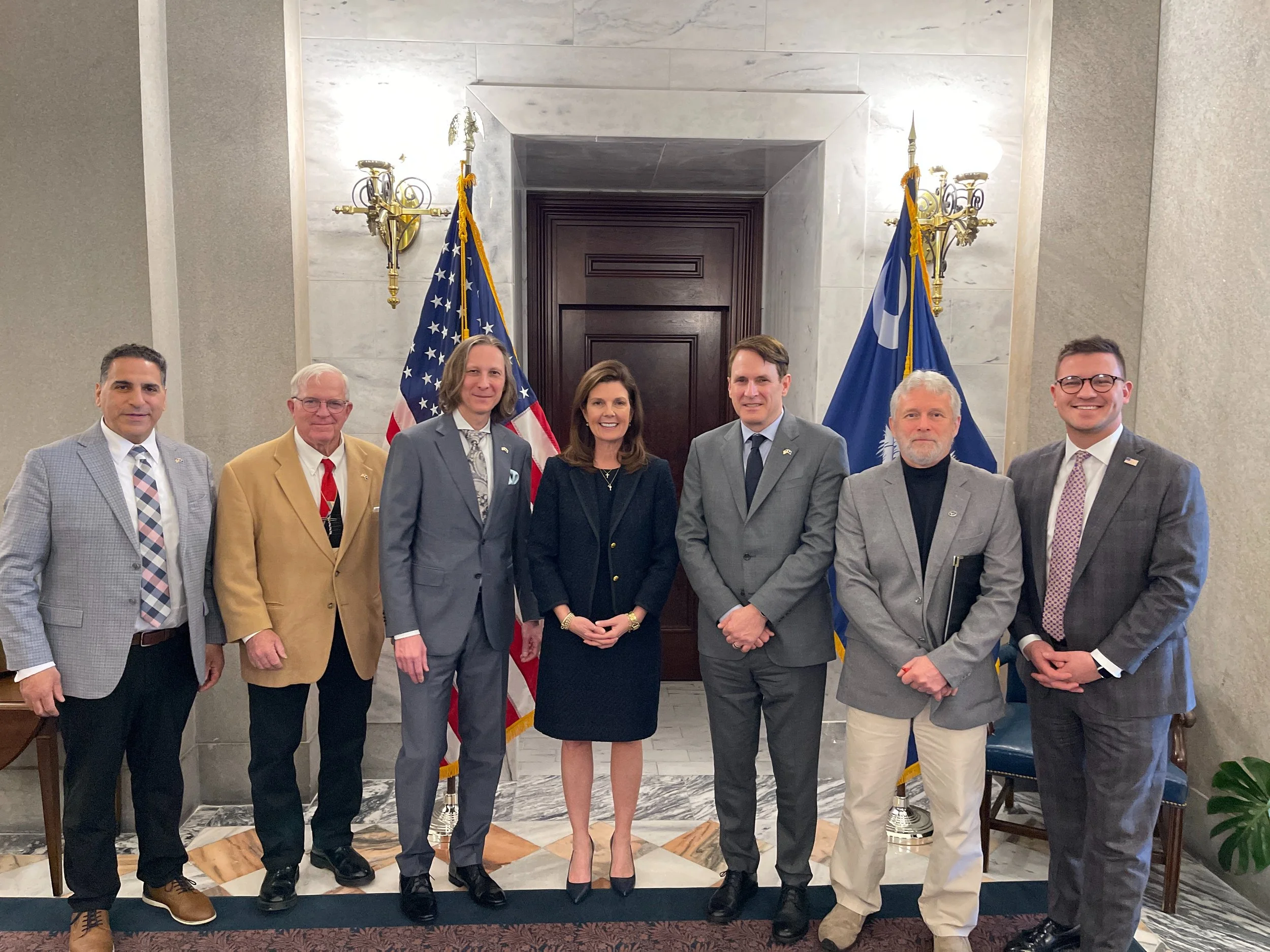
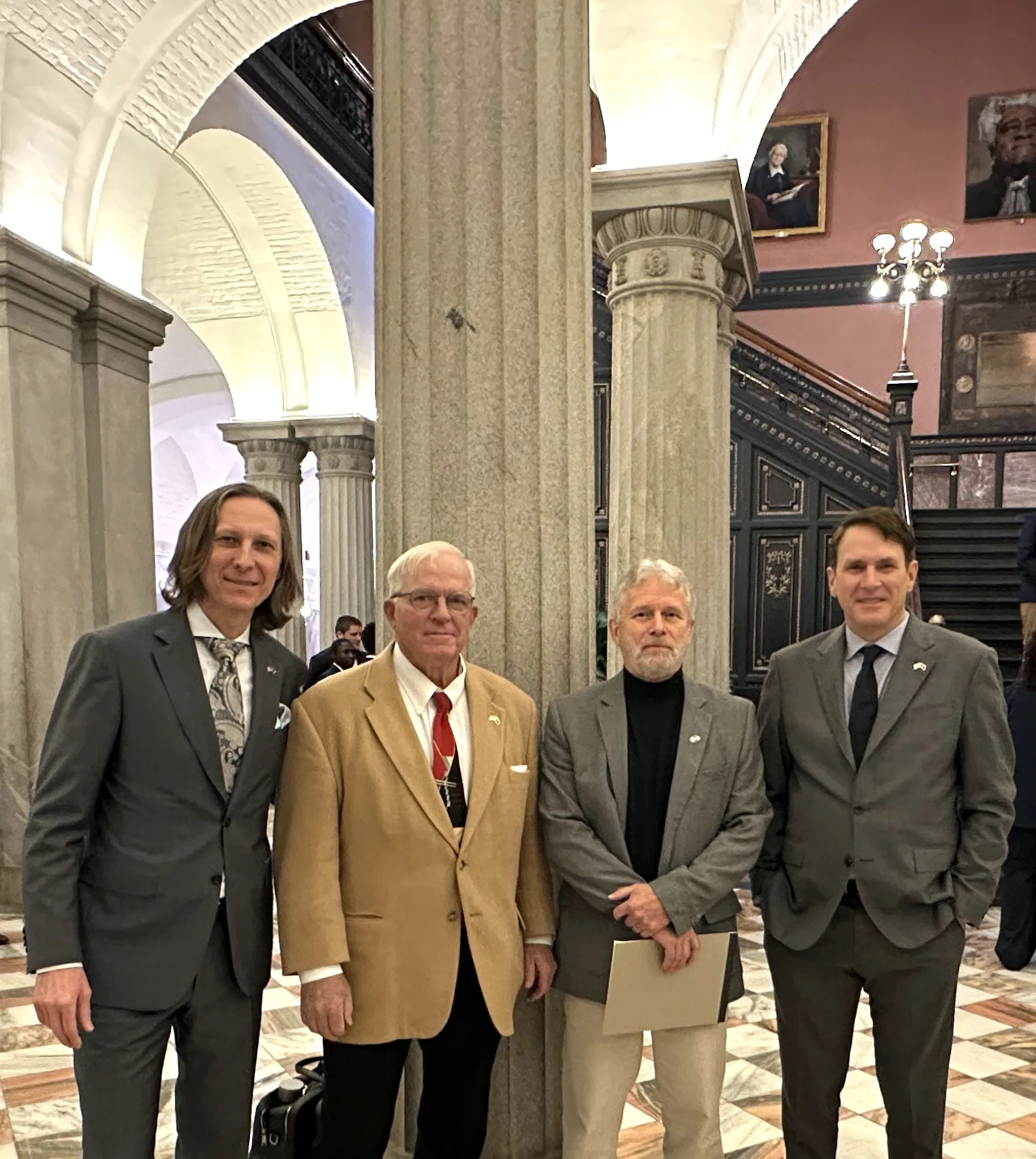
Our executive team had the honor of meeting with Hon. Lieutenant Governor of South Carolina, Pamela Everette, Deputy Director of Commerce Ashely Teasdel, and Senior Manager of Global Business Development Philip Morgan to discuss a potential partnership with Jaya Biosciences to advance breakthrough therapies for Alzheimer’s disease and related dementias and to strengthen South Carolina’s rapidly growing life sciences sector.
We extend our heartfelt thanks for a warm welcome and productive discussion.
Jaya Biosciences Completes Inaugural SCbioDrive Accelerator Program
We are proud to announce the successful completion of SCbioDrive, an accelerator program for emerging life sciences companies organized by SCbio in partnership with MassBio. JayaBio was one of seven oncology and neuroscience startups selected to be a part of the inaugural cohort.
November 22, 2024


We are proud to announce the successful completion of SCbioDrive, an accelerator program for emerging life sciences companies organized by SCbio in partnership with MassBio. JayaBio was one of seven oncology and neuroscience startups selected to be a part of the inaugural cohort.
Over the past eight weeks, JayaBio had the opportunity to connect with industry mentors, refine our strategies, and showcase our innovative approach to tackling neurodegenerative diseases, such as Alzheimer’s, Parkinson’s, and frontotemporal dementia.
“We were very impressed with the organization and quality of the SCbioDrive accelerator program. It has been an invaluable experience for our team, providing us with additional tools and insights to advance our mission of addressing unmet needs in neurodegenerative diseases,” said Pawel Krysiak, President and CEO of JayaBio.
“We are especially grateful for the guidance we received from leaders at Axonis, Eli Lilly and Sanofi. Their industry expertise and actionable insights will positively shape our approach to developing JB111 for PPT1-associated Alzheimer’s disease,” added Dr. Neal Goodwin, JayaBio’s Chief Scientific Officer.
During Demo Week, the inaugural cohort companies met with mentors and refined pitches in preparation for Demo Day, an end-of-program event where we presented our science to a diverse group of investors and other stakeholders.